You have no items in your shopping cart.




| Drug Testing Network, Inc. is a nationally recognized leader in promoting a "drug free workplace". We specialize in Department of Transportation (DOT) drug and alcohol testing programs, private individual testing, and instant home drug testing products. Drug Testing Network's goal is to limit our client's exposure to liability and to drastically reduce the occurrence of non-compliance fines and sanctions that may be assessed in response to the mismanagement of Drug Free Workplace programs. Headed by former agents of the Drug Enforcement Administration, Drug Testing Network’s managing personnel have national and international experience in dealing with the problems and high costs associated with drug and alcohol abuse. Driven by integrity and customer service, Drug Testing Network’s aim is to provide clients with individual attention and guidance by assisting them in establishing and maintaining a drug free work environment. |
Featured products

Supervisor Training-Online (DOT)
Drug Testing Network DOT Supervisor training provides interactive training for employees and supervisors that complies with the latest Federal Department of Transportation (DOT) and numerous state requirements for drug and alcohol training.
$49.00
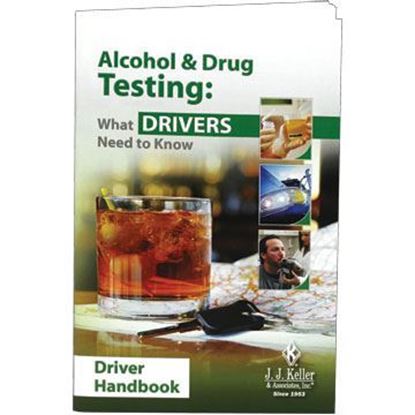
DOT FMCSA Driver Handbook - English
The Driver Alert! Handbook is designed in an easy to read question and answer format and includes easy reference charts.
*Available in Spanish
$20.00

Employee Training-Online
Aware Training is a fully web-based E-learning program intended for employees and supervisors in drug free workplace and DOT regulated programs.
$49.00
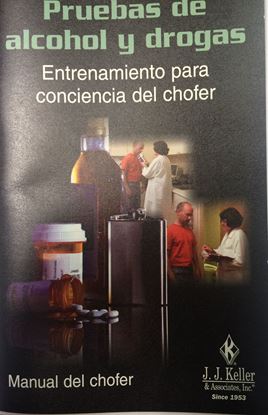
DOT FMCSA Driver Handbook - Spanish
The Driver Alert! Handbook is designed in an easy to read question and answer format and includes easy reference charts.
$20.00
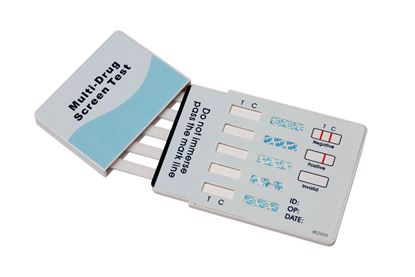
At Home - Quick Screen
Individuals that want a fast and accurate instant drug test can now be performed from the privacy of your own home. With just one step you'll be able to test your family member or even have piece of mind and pre-test yourself before a pre-employment offer.
$9.99